
About
Platy Patch is a major Victoria-wide urban waterway works program to rehabilitate streamside and aquatic habitats to help Platypus and other threatened species. Platy Patch will also improve urban green and blue space and community access to nature.
The iconic Platypus is in trouble and needs our help. Although occurring across most of Victoria, populations have declined substantially in most drainage basins of mainland Australia, particularly urban and agricultural areas.
Rehabilitation actions will primarily include weed removal, revegetation with native plants, fencing out grazing animals, and reinstatement of instream woody habitat. Melbourne Water efforts are focussed on rainwater capture, stormwater management and providing environmental water.
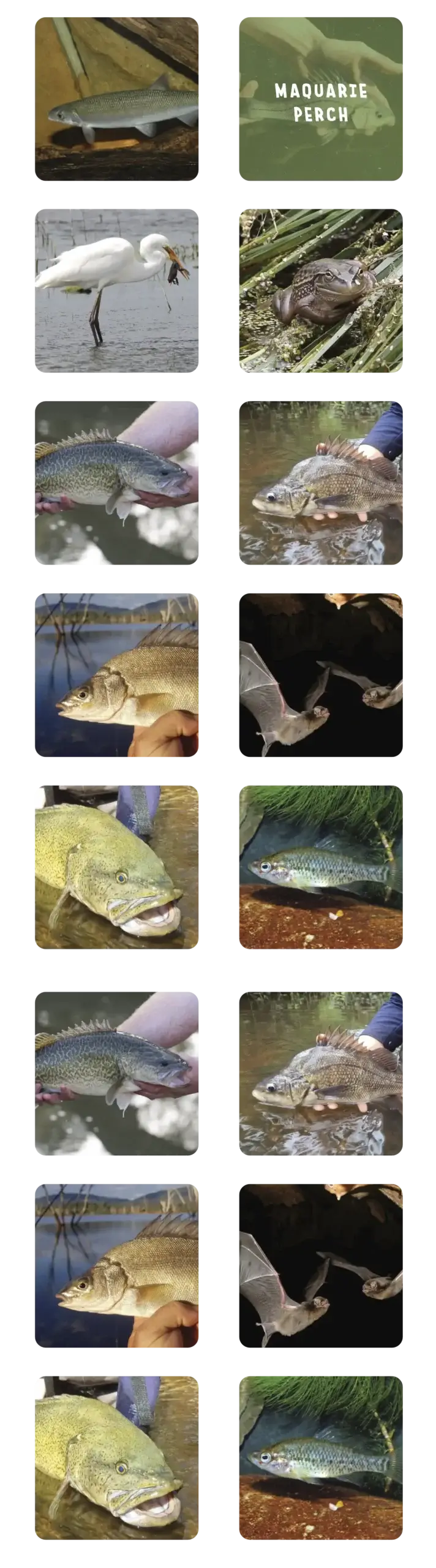
The habitat rehabilitation efforts will also benefit 16 nationally threatened species, including fish, amphibians, reptiles, birds, bats and plants, as well as vegetation communities.
Platy Patch started in 2025 and will run until 2028.
Platypus are recognised as vulnerable in Victoria under the Flora and Fauna Guarantee Act 1988. Historically, the main decline in Platypus numbers was caused by the fur trade. This was banned in all states of Australia by 1912.
Common threats to Platypuses today involve land clearance and habitat degradation including bank erosion, sedimentation and pollution, as well as predation, population fragmentation, fishing by-catch and climate change. A key threat is a reduction in surface water and river flows due to drought, changed flow regimes and water extraction for human use, industry and agriculture.
Although Platypus are found in many different habitats, including rivers, creeks, lakes and man-made dams and reservoirs, they need reliable water. Key habitat features include stable banks for burrowing, healthy streamside vegetation, instream woody habitat, invertebrates to eat and reliable water flows.
There are 14 sites where instream and streamside rehabilitation actions are being undertaken:
- Campbells Creek
- Hopkins River
- Goulburn River
- Broken River
- Seven Creeks
- Lower Kiewa River
- Merri River
- Mitchell River
- Moorabool River
- Ovens River
- Traralgon Creek
- Wimmera River
- McKenzie River
- Yarrowee River
In Melbourne, The Monbulk Creek Smart Network Program is another large component of Platy Patch.
Platy Patch is a powerful collaboration between:
- DCCEEW (Department of Climate Change, Energy, the Environment and Water)
- DEECA (including the Arthur Rylah Institute for Environmental Research ARI)
- Melbourne Water
- 8 catchment management authorities
- Local government including Ballarat City Council
- Water authorities including Coliban Water and Barwon Water
- The Australian Platypus Conservancy
- Traditional Owners
- One Tree Planted
- Parks Victoria
- Zoos Victoria and
- Landcare
The Victorian Government’s environmental research institute, ARI (Arthur Rylah Institute) is leading the implementation of Platy Patch. CMAs and Melbourne Water will lead on-ground works and communication and engagement efforts in their local communities.
One Tree Planted is contributing funds for revegetation.
The Australian Platypus Conservancy is providing expert advice on many aspects of Platy Patch.
Zoos Victoria is promoting Platy Patch, including through their detection dogs program.
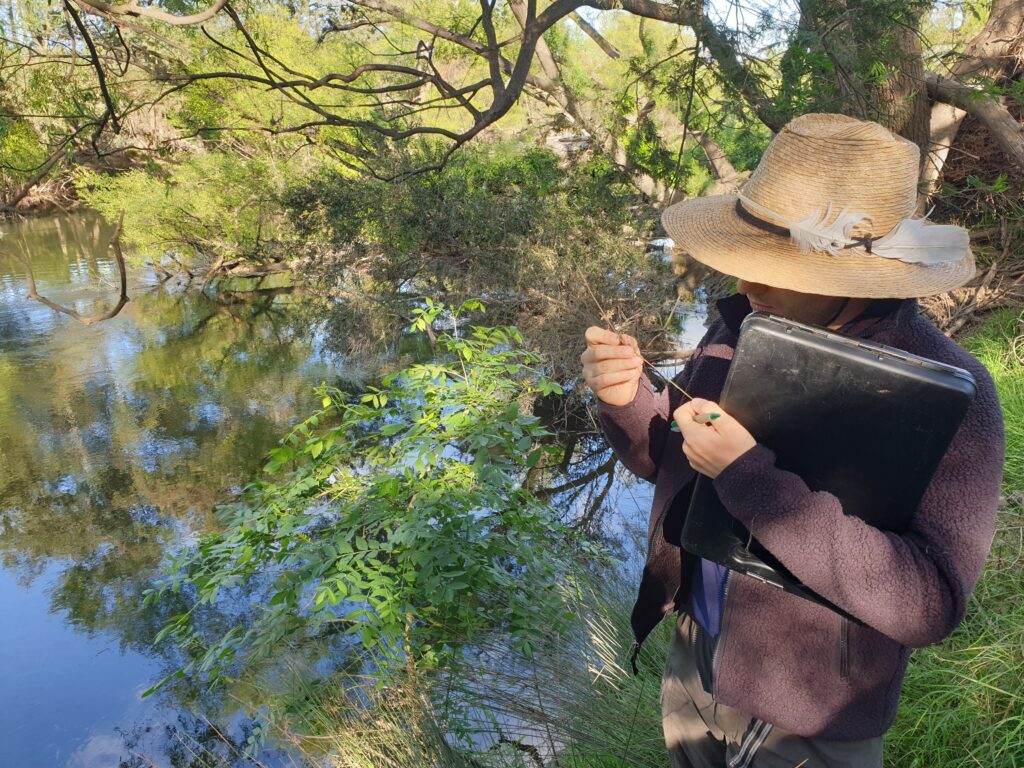
ARI is leading a monitoring and research component of Platy Patch.
The monitoring program will estimate the effects of carrying out rehabilitation efforts on Platypus habitat at the 14 intervention sites (CMA sites).
Baseline environmental conditions will be assessed at each site before any works are carried out, and then again at the end of the project.
The research component will seek to answer questions that are hard to assess within the short timeframe of the Platy Patch project, since many of the interventions are not expected to generate a response in Platypus until many years later. For example, it takes time for trees to grow large enough to increase shading, stabilise banks, and increase instream organic matter to support macro-invertebrates (which are a main food source of platypus). Therefore, research will be conducted to indirectly assess long-term outcomes of interventions. A combination of field and desktop work will be combined to generate predictive models that can forecast the expected benefit to Platypus, depending on combinations of on-ground and environmental factors.
While Platypus is the main focus of the monitoring and research, other priority EPBC species will also be assessed. This work will use a variety of methods which may include eDNA sampling, ecoacoustic surveys, electrofishing, and camera traps. Some of this work will link in with other Victorian monitoring programs and local CMA-led programs.
The Smart Tank Network project in Monbulk Creek will be evaluated by Melbourne Water – more details on the progress on this can be found at Smart Rainwater Tank program.
- Australian Government’s Natural Heritage Trust under the Urban Rivers and Catchments Program
- Victorian Government and Melbourne Water, under the guidance of the Arthur Rylah Institute (ARI) with the support of:
- Catchment management authorities
- One Tree Planted
- City of Ballarat
- Coliban Water and Barwon Water
- Zoos Victoria
The project is also partnering with Australian Platypus Conservancy, Traditional Owners, Parks Victoria and Landcare.
Platy Patch will also help 16 other threatened species, improve urban green and blue space, and provide community access to nature.
Title photo: Zoos Victoria